
Recover Benefits When Injured Driving for Work
Automotive and Work-Related Vehicle Accidents in Liberty for employees hurt in crashes while performing job duties or traveling between sites
T.K. Thompson & Associates represents workers in Liberty who have been injured in car, truck, or commercial vehicle accidents that occurred while they were performing job-related tasks. If you were hurt while driving a company vehicle, making deliveries, traveling to a job site, running work errands, or driving between locations as part of your duties, your injury may be covered under Missouri workers' compensation law. These cases often involve disputes over whether the accident happened within the scope of employment, whether your travel was personal or work-related, and whether you are entitled to benefits in addition to any claim against the at-fault driver.
Missouri workers' compensation covers injuries that arise out of and in the course of employment, and vehicle accidents qualify when the employee was traveling for a work-related purpose at the time of the crash. This includes delivery drivers, sales representatives, construction crews moving between sites, utility workers, and any employee whose job requires regular travel. Injuries sustained during a commute to or from your regular workplace typically do not qualify, but exceptions apply if you were running an errand for your employer, driving a company vehicle home as required by your job, or traveling to a location other than your usual worksite.
If you were injured in a vehicle accident while working in Liberty and need to file a claim or are facing questions about coverage, contact T.K. Thompson & Associates to assess whether your accident qualifies under Missouri law.
Coordinating Workers' Compensation and Third-Party Claims
You may be entitled to workers' compensation benefits that cover your medical treatment, temporary disability payments, and permanent disability compensation if the accident leaves lasting impairment. At the same time, if another driver caused the accident through negligence, you may also have a third-party personal injury claim against that driver's insurance company. The two claims are separate, and pursuing both allows you to recover the full extent of your damages, including pain and suffering, which workers' compensation does not cover.
After both claims are resolved, your medical bills are paid, your lost wages are replaced, and any permanent disability is compensated through the workers' compensation award. The third-party settlement covers additional damages such as vehicle damage, pain and suffering, and future wage loss beyond what workers' compensation provides. T.K. Thompson & Associates coordinates both claims to prevent liens from reducing your total recovery and ensures that the workers' compensation insurer does not take more than its fair share from the third-party settlement.
Insurers may argue that your accident did not occur within the scope of employment if you deviated from your assigned route, made a personal stop, or were not actively performing a work task at the moment of the crash. Proving that the travel was work-related requires documentation such as delivery logs, dispatch records, work orders, GPS data, or testimony from supervisors confirming your assignment at the time.
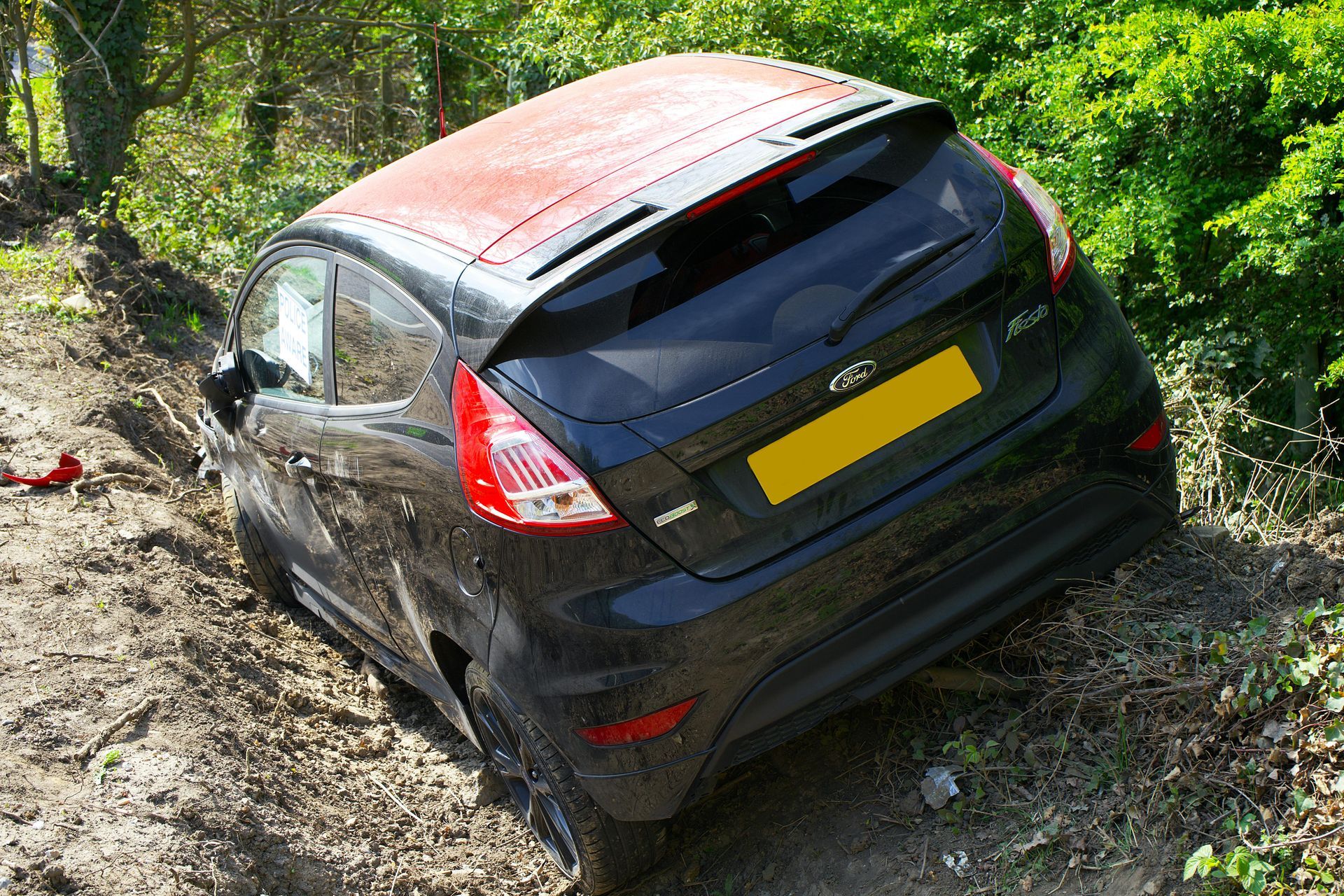
Workers in Liberty who are injured in vehicle accidents while working often ask whether their commute is covered, how third-party claims affect their workers' compensation benefits, and what happens if the insurer denies the claim.
What You Should Know About Vehicle Accident Claims at Work
What types of work-related travel qualify for workers' compensation?
Travel qualifies if you were driving for your employer's benefit, such as making deliveries, attending meetings, traveling between job sites, or performing errands, but regular commutes to and from your usual workplace do not qualify unless special circumstances apply.
How does filing a third-party claim affect your workers' compensation benefits?
Filing a third-party claim does not reduce your workers' compensation benefits, but the workers' compensation insurer may place a lien on the third-party settlement to recover the medical expenses and wage replacement it paid on your behalf.
What happens if the insurer argues you were not working at the time of the accident?
You will need to present evidence such as work orders, dispatch logs, witness statements, or GPS records showing you were traveling for a work-related purpose, and T.K. Thompson & Associates can challenge the insurer's interpretation of your job duties and the scope of employment.
When should you file both a workers' compensation claim and a third-party claim?
You should file the workers' compensation claim immediately to secure medical coverage and wage replacement, and pursue the third-party claim if another driver was at fault, as the combination of both claims provides the most complete financial recovery.
Why do insurers deny claims for vehicle accidents even when the employee was clearly working?
Insurers deny these claims by arguing the employee deviated from the assigned route, was on a personal errand, or was not actively performing a work task at the moment of impact, and they use these arguments to avoid liability even when the travel was work-related in a broader sense.
If you were injured in a vehicle accident while performing your job duties in Liberty and the insurer is questioning whether your claim is covered, T.K. Thompson & Associates can evaluate your work assignment, coordinate both claims, and ensure you receive the full benefits you are entitled to under Missouri law.